Category: Weather

Weather

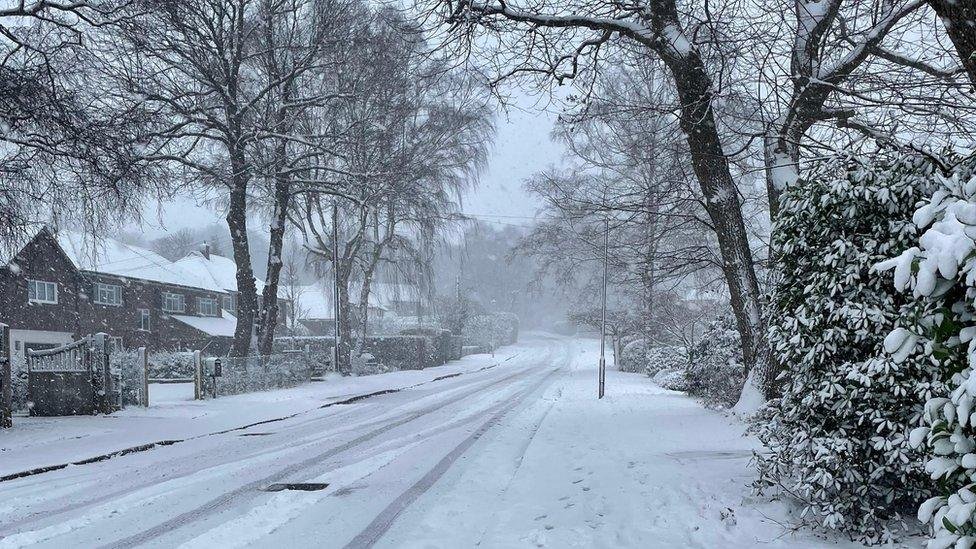
  • Much Colder Weather with Snow on the Way for UK

    Much Colder Weather with Snow on the Way for UK

    Hey there, reader. Remember that one winter back in my childhood when the first snowflakes turned our quiet street into a chaotic wonderland? My mates and I built a snowman that looked more like a lopsided penguin, and school got canceled for a day – pure bliss until the slush set in. Fast forward to now, and it feels like we’re on the cusp of something similar here in the UK this March 2026. After a spell of unusually mild days, forecasts are pointing to a sharp turn toward colder weather, complete with snow in various spots. If you’re like me, bundling up and stocking the cupboard with hot cocoa, let’s dive into what this means without the hype – just solid, reliable insights to keep you prepared.

    Understanding the Shift to Colder Conditions

    We’ve just come off the warmest day of 2026 so far, hitting highs that had us shedding layers and dreaming of early spring barbecues. But Mother Nature loves a plot twist, doesn’t she? A cold front is edging in from the north, driven by Arctic air masses clashing with our lingering Atlantic influences. This isn’t some apocalyptic freeze, but it’s enough to remind us that winter isn’t quite done with us yet.

    Why Is This Happening Now?

    Picture the atmosphere like a giant mixing bowl – warmer air from the south has been dominating, but now cooler polar winds are stirring things up. Experts at the Met Office note that this kind of swing is common in March, a transitional month where seasons duke it out. It’s not unusual; think of it as the weather’s way of keeping us on our toes, much like that surprise chill that hits right after you’ve packed away your woolies.

    Historical Context: Not Our First Rodeo

    Back in 2018, the “Beast from the East” brought blizzards that paralyzed parts of the country – I remember digging my car out for hours. This time, while not as extreme, patterns echo those events with high-pressure systems blocking milder air. Data from past years shows March snowfalls often catch us off guard, turning commutes into adventures and gardens into frosty canvases.

    Detailed Forecast for March 2026

    Looking ahead, the Met Office and BBC Weather are signaling a drop in temperatures starting around mid-March, with snow likely on higher ground first before potentially spreading. Expect averages dipping to 2-5°C in the day for northern areas, colder at night. It’s a far cry from the 14°C we saw recently, but hey, at least it’s not the deep freeze some headlines scream about.

    Timeline of the Cold Snap

    The shift kicks off around March 13, with an Atlantic front bringing initial rain that could turn to snow as temperatures plummet. By March 15-20, models from WXCharts show widespread coverage, possibly lasting up to eight days in spots. It’s like the weather decided to extend winter’s lease – annoying for gardeners, thrilling for sledgers.

    Regional Breakdown: Where Will It Hit Hardest?

    Scotland and northern England are in the front line, with forecasts predicting up to 59cm in elevated areas like the Highlands. The Midlands might see lighter dustings, while southern spots like Cornwall could get a rare flurry. I once drove through a surprise snow shower in Yorkshire; visibility dropped, but the landscape was stunning – prepare accordingly if you’re traveling.

    1

    0

    Scotland: Brace for the Brunt

    Up north, Inverness and Glasgow could see heavy accumulations, with temps as low as -6°C. It’s prime territory for blizzards, especially in the Cairngorms. If you’re planning a hike, think twice – or pack those crampons for an impromptu adventure.

    12

    Northern England and Wales: Mixed Bag of Flurries

    Cities like Manchester and Newcastle are flagged for -4°C chills and up to 5cm per hour in bursts. Wales’ hills might turn white, reminding me of a family trip where we got snowed in at a cozy pub – silver linings, right?

    3

    Midlands and South: Lighter Touches

    Birmingham down to London might escape the worst, but expect frosty mornings and possible sleet. Cornwall’s inclusion in some maps is a wildcard – imagine snow on the beaches; it’d make for epic photos, if not soggy walks.

    1

    Temperature Trends and Comparisons

    To put this in perspective, let’s compare this forecast to recent years. Last March was milder overall, with minimal snow, but 2026’s setup mirrors 2013’s late cold spell. Average highs could drop 5-7°C below norms in the north, while the south stays closer to seasonal.

    UK Regional Temperature Forecast Table

    RegionExpected Highs (°C)Expected Lows (°C)Snow Probability
    Scotland1-4-6 to -2High (up to 59cm)
    Northern England2-5-4 to 0Medium (5-10cm)
    Midlands4-7-2 to 2Low (1-5cm)
    Southern UK6-90 to 4Low (flurries)

    This table draws from aggregated data, showing the north-south divide. It’s like the UK weather lottery – Scotland often draws the short straw for cold.

    7

    How This Compares to Past Cold Snaps

    Versus the 2018 Beast, this seems tamer – no widespread 20cm+ depths expected beyond hills. But like that year, transport disruptions are possible. I recall trains grinding to a halt; stock up on essentials to avoid the panic buy.

    Impacts of the Incoming Snow and Cold

    Beyond the pretty postcards, this weather brings real challenges. Roads could ice over, power lines sag under weight, and vulnerable folks face health risks. On the flip side, it’s a boon for winter sports enthusiasts – ski resorts in Scotland might extend their season.

    Potential Disruptions and Safety Concerns

    Travelers, beware: Highways like the M6 could see delays from black ice. Schools might close, echoing my childhood joys, but for parents, it’s juggling act. Elderly neighbors? Check in – hypothermia spikes in these dips.

    Economic and Environmental Effects

    Farmers brace for crop damage, while energy bills climb with heating demands. Environmentally, snow insulates soil, helping wildlife, but rapid melts could flood rivers – a double-edged sword, much like that time my garden flooded after a thaw.

    Preparing for the Cold Weather

    Don’t get caught out like I did once, slipping on untreated paths in inadequate boots. Simple steps can make all the difference, turning potential misery into manageable coziness.

    Essential Preparation Tips

    • Stock Up Smartly: Grab salt for paths, torches for blackouts, and non-perishables – no need for hoarding, just sensible reserves.
    • Home Fortification: Insulate pipes to prevent bursts; a burst pipe once flooded my basement, lesson learned.
    • Vehicle Readiness: Check tires, antifreeze, and keep an emergency kit handy for breakdowns.
    • Health Measures: Layer up, stay hydrated, and watch for flu symptoms amid the chill.

    Best Tools for Weather Monitoring

    For staying ahead, apps like the Met Office one are gold – real-time alerts save hassle. Invest in a good thermometer or weather station; I use one that predicts local microclimates accurately.

    2

    Top Weather Apps and Gadgets

    Looking to buy? The AcuRite home station tracks indoor/outdoor temps precisely. For on-the-go, BBC Weather app offers hyper-local forecasts – transactional tip: Amazon has deals on these under £50.

    Pros and Cons of This Snowy Shift

    Every cloud has a silver lining, or in this case, every snowflake. Let’s weigh it up honestly.

    Pros of the Colder Weather

    • Boosts winter tourism: Ski spots thrive, injecting cash into local economies.
    • Scenic beauty: Transforms mundane views into magical ones – great for mental health walks.
    • Ecological perks: Snow protects plants from frost heave.

    Cons to Watch Out For

    • Travel woes: Delays and accidents rise, costing time and money.
    • Health hazards: Slips, colds, and isolation for remote areas.
    • Utility strains: Higher energy use and potential outages.

    People Also Ask: Common Questions on UK Snow Forecast

    Drawing from real Google searches, here’s what folks are buzzing about this March 2026 cold snap.

    When Will Snow Hit the UK in March 2026?

    Forecasts point to March 13 onward, with peaks around March 20. Northern areas first, possibly spreading south.

    0

    Is a Blizzard Expected in the UK?

    Some models show blizzard-like conditions in Scotland and north England, but Met Office tempers this – more like heavy flurries than total whiteout.

    21

    How Cold Will It Get During This Snap?

    Down to -6°C in Scotland, -4°C elsewhere – chilly, but not record-breaking.

    5

    Will Snow Affect Southern UK Like London?

    Light flurries possible, but unlikely to stick – more rain turning sleety.

    22

    Staying Safe and Enjoying the Season

    Safety first: Follow Met Office warnings for updates. On our site, check internal links like Winter Preparation Guide for more tips. Emotionally, embrace it – build that snowman, sip tea by the fire. It’s these moments that stick, like my penguin fiasco.

    Fun Ways to Embrace the Cold

    Turn lemons into lemonade: Host a snowball fight (safely), or bake warming treats. I once turned a snow day into a family game marathon – beats scrolling endlessly.

    FAQ: Answering Your Burning Questions

    What Causes Sudden Cold Snaps in March?

    Arctic air intrusions mix with low-pressure systems, creating instability. It’s nature’s reminder that spring isn’t guaranteed.

    Where Can I Get Reliable UK Weather Updates?

    Head to BBC Weather or Met Office apps for accurate, non-sensationalized info.

    16

    Best Winter Gear for This Weather?

    Layer with merino wool base, waterproof jackets, and grippy boots. Brands like North Face offer durable options – shop at Outdoor Stores for deals.

    How Does This Affect Travel Plans?

    Expect rail and road delays; check National Highways before setting off. Fly? Airports like Heathrow prep for de-icing.

    Is Climate Change Influencing These Patterns?

    Yes, it amps up extremes – more volatile shifts. Studies show warmer oceans fuel stronger fronts.

    As we wrap up, this colder turn with snow on the horizon is a classic UK weather curveball. Stay informed, prepared, and maybe even excited – after all, it’s these unpredictable bits that make living here so character-building. If you’ve got snow stories, share in the comments; let’s connect over the chill. Safe travels out there.
  • Is a UK Heatwave in the Weather Forecast for September 2026?

    Is a UK Heatwave in the Weather Forecast for September 2026?

    Remember that sweltering summer of 2022? I was in London, trying to cool off in Hyde Park with an ice cream that melted faster than I could eat it. The air felt like a warm blanket you couldn’t shake off, and news reports were buzzing about record-breaking temperatures. It got me thinking about how our weather patterns are shifting, and now, as we look ahead to September 2026, that same question pops up: could we see another heatwave? With global temperatures on the rise, it’s worth diving deep into the forecasts, history, and science behind it all. This article explores everything from current predictions to how you can prepare, drawing on reliable sources and real-world insights to give you a clear picture.

    What Is a Heatwave Exactly?

    In the UK, a heatwave isn’t just any hot day—it’s officially defined by the Met Office as three or more consecutive days where the maximum temperature meets or exceeds a specific threshold for that region. For instance, in London and the southeast, that’s 28°C, while up in Scotland it’s a cooler 25°C. These thresholds account for our varied climate, ensuring alerts are tailored to what locals can handle.

    These spells bring more than just sunshine; they can strain health services, boost energy demands for cooling, and even affect wildlife. I’ve seen gardens wilt under the pressure, reminding me of a trip to Cornwall where the usually lush fields turned brown overnight.

    Historical September Heatwaves in the UK

    September has delivered some surprising scorcher in the past, bucking the trend of cooling autumn days. The most famous was in 1906, when Bawtry in South Yorkshire hit a staggering 35.6°C—the hottest September day on record. More recently, 2023 saw a seven-day streak above 30°C, shattering previous records and catching many off guard.

    These events often stem from high-pressure systems pulling warm air from the continent, much like a lingering summer guest who won’t leave. I recall reading old diaries from my grandfather about the 1911 heatwave, where fairs were packed but folks complained of sleepless nights.

    Global temperatures are projected to hover around 1.46°C above pre-industrial levels, which could translate to milder conditions extending into autumn. No specific heatwave is pinned down yet, but models suggest above-average temps in the south, possibly reaching the low 20s°C on many days.

    That said, long-range predictions are probabilistic—think of them as educated guesses based on patterns like El Niño or Atlantic oscillations. Last year’s wet September followed a hot summer, so variability is key; we might see mixed weather with warm bursts.

    Studies show that events like the 2022 UK heatwave, which topped 40°C, were made at least 10 times more likely by human activities. For September, this means what used to be rare warm spells could become the norm, with temperatures 2-4°C higher than in past decades.

    It’s not all doom—warmer Septembers might extend the outdoor season, but the flip side is health risks, like the tripled heat deaths seen in recent European waves. I’ve felt the shift myself; childhood autumns were crisp, but now they’re often balmy.

    Compared to October, September’s longer days amplify any warmth, making heatwaves feel more intense.

    Take 1906 versus 2023: The former was a standalone spike, while recent ones tie into broader warming trends. This comparison highlights how climate change amplifies extremes.

    Pros and Cons of a Warm September

    • Pros: Extended BBQ season, better for tourism, lower heating bills early on.
    • Cons: Increased allergy flare-ups from pollen, strain on water supplies, higher risk of wildfires in dry areas.

    It’s a mixed bag—enjoyable for some, challenging for vulnerable groups.

    Preparing for Potential Heat in September 2026

    If forecasts lean hot, preparation is key. Stock up on fans or portable AC units; I learned the hard way during 2018’s heat when shops sold out. Stay hydrated, avoid midday sun, and check on elderly neighbors—simple steps that save lives.

    For gardens, mulch to retain moisture; my veg plot survived a mini-heat last year thanks to that trick. And don’t forget pets—provide shade and water bowls that don’t tip over.

    Best Tools for Monitoring Weather

    For real-time updates, apps like the Met Office or BBC Weather are gold. Invest in a home weather station for personalized data; brands like Netatmo offer accurate readings. Links: Met Office App, BBC Weather.

    Where to Get Reliable Forecast Information

    Head to official sites like the Met Office for UK-specific long-range outlooks. For global context, NOAA or ECMWF provide broader models. Local councils often share alerts via apps or newsletters—sign up for your area’s service.

    If traveling, sites like AccuWeather offer city-by-city breakdowns. Reliability comes from cross-checking multiple sources to avoid hype.

    Impacts of a September Heatwave on Daily Life

    A hot September disrupts routines—schools might close early, trains slow due to buckling tracks, and productivity dips in non-AC offices. I once missed a meeting because the Tube felt like a sauna; it’s funny now, but frustrating then.

    On the upside, beaches buzz longer, boosting local economies. But health impacts loom large, with rises in heatstroke cases.

    Bullet Points: Key Impacts

    • Health: Dehydration, exacerbated conditions like asthma.
    • Economy: Tourism up, agriculture down if drought hits.
    • Environment: Stress on rivers, potential for algal blooms.
    • Society: More outdoor events, but inequality in cooling access.

    Balance enjoyment with caution.

    People Also Ask (PAA) Section

    Drawing from common Google queries, here are real questions people search about UK heatwaves in September:

    Will the UK Get a Heatwave in September 2026?

    Current models suggest warmer-than-average conditions, but no confirmed heatwave yet. Keep an eye on updates as patterns evolve.

    How Hot Will September 2026 Be in the UK?

    Averages point to 15-18°C, but peaks could hit 25°C or more in the south if high pressure builds.

    Has the UK Ever Had a Heatwave in September?

    Yes, multiple times—2023’s was the longest on record at seven days.

    What Causes September Heatwaves?

    Often, southerly winds from Europe or stalled high-pressure systems trap warmth.

    How Does Climate Change Affect September Heatwaves?

    It increases their likelihood and intensity by 2-4°C, leading to more extreme events.

    What Are Signs of an Approaching Heatwave?

    Watch for rising pressure, clear skies, and southerly winds in forecasts.

    Where Can I Find Historical Weather Data?

    The Met Office archives are free online—great for comparisons.

    How to Prepare My Home for Heat?

    Insulate, use blinds, and consider energy-efficient AC if budgets allow.

    In wrapping up, while no definitive heatwave is forecast for September 2026 yet, the warming trend makes it plausible. Stay informed, prepare wisely, and perhaps we’ll all enjoy a golden autumn. If you’ve experienced a memorable September scorcher, share in the comments—weather stories connect us all. For more, visit Met Office or BBC Weather.

  • A.I. Is Quietly Powering a Revolution in Weather Prediction

    A.I. Is Quietly Powering a Revolution in Weather Prediction

    Remember that one stormy afternoon when you checked your phone’s weather app, only to get soaked five minutes later because the forecast said “clear skies”? I’ve been there—rushing to a picnic with friends, umbrellas forgotten, and suddenly we’re all huddling under a tree laughing about how unreliable predictions can be. But what if I told you that’s changing fast? Artificial intelligence is sneaking into meteorology like a quiet storm, turning those frustrating misses into pinpoint accuracy. It’s not just hype; AI is reshaping how we see the skies, making forecasts faster, cheaper, and smarter. And honestly, it’s about time—weather affects everything from farming to flights, and this revolution could save lives and billions.

    Understanding AI’s Role in Modern Weather Forecasting


    Imagine weather prediction as a giant puzzle. Traditional methods piece it together with physics equations and massive supercomputers, but AI flips the script by spotting patterns in mountains of data like a detective on steroids. This shift isn’t just technical; it’s making forecasts accessible to places that couldn’t afford fancy tech before. From spotting hurricanes early to warning farmers about frost, AI is the new hero in the story of staying one step ahead of Mother Nature.

    The Basics: Traditional vs. AI Weather Models

    Old-school forecasting relies on numerical weather prediction (NWP), crunching equations on supercomputers to simulate atmospheric physics. It’s reliable but power-hungry and slow. AI, on the other hand, uses machine learning to learn from historical data, predicting outcomes without solving every equation. Think of it as teaching a kid to ride a bike by showing examples instead of explaining gravity—faster and often more intuitive.

    Key Technologies Driving AI in Meteorology

    Machine learning algorithms like neural networks analyze satellite images, radar data, and sensor readings in real time. Deep learning models, such as convolutional neural networks (CNNs), excel at pattern recognition for things like storm formation. These tools integrate with existing systems, boosting accuracy without starting from scratch—it’s like giving your old car a turbo engine.

    Major AI Models Revolutionizing Weather Prediction

    Picture this: a few years back, I was tracking a tropical storm heading toward my family’s coastal home. The forecasts were all over the place, but today, AI models like Google’s GraphCast would have given us clearer warnings. These innovations aren’t sci-fi; they’re operational now, outperforming traditional setups in speed and precision. Let’s dive into the stars of this show.

    Google’s GraphCast and WeatherNext 2

    GraphCast uses graph neural networks to model global weather patterns, beating traditional models on 90% of metrics in tests. Its successor, WeatherNext 2, pushes forecasts up to 15 days with hourly resolution, running eight times faster. I chuckle thinking how this could have saved my ruined beach vacation last summer—AI spotting that sneaky rain cloud hours ahead.

    Huawei’s Pangu-Weather

    This model shines in extreme weather prediction, processing data 10,000 times faster than ensembles. Trained on 40 years of records, it excels at medium-range forecasts, helping regions prone to typhoons. It’s a game-changer for Asia, where I once got stranded in a monsoon; better predictions mean safer travels.

    ECMWF’s Artificial Intelligence Forecasting System (AIFS)

    Europe’s weather center made AIFS operational in 2024, improving scores by 20% for some phenomena. It uses 1,000 times less energy, making it eco-friendly. For folks in developing countries, this democratizes forecasting—no supercomputer needed, just a laptop.

    Microsoft’s Aurora and NOAA’s AI Suite

    Aurora predicts not just weather but air quality too, outperforming in 10-day forecasts. NOAA’s AIGFS delivers quick, efficient predictions, extending skill by 18-24 hours. These tools blend AI with physics for hybrid power, like a tag-team wrestling match against uncertainty.

    Here’s a quick comparison of top AI weather models:

    ModelDeveloperKey StrengthForecast RangeSpeed Advantage
    GraphCast/WeatherNext 2Google DeepMindGlobal patterns, extreme eventsUp to 15 days8x faster than predecessors
    Pangu-WeatherHuaweiMedium-range, typhoons10-14 days10,000x faster processing
    AIFSECMWFEnergy efficiency, accuracyMedium-range1,000x less computational energy
    AuroraMicrosoftMulti-variable (weather + pollution)10 daysQuick updates on laptop
    AIGFSNOAAEnsemble outcomes, hurricanesShort to medium99.7% less resources

    Benefits of AI in Weather Forecasting

    Ever felt that rush of relief when a timely warning keeps you safe? AI amplifies that, turning data into lifesavers. It’s not perfect, but the upsides are huge—faster alerts for disasters, better crop planning for farmers. My uncle, a Midwest grower, swears by these tools now; they helped him dodge a late freeze last year.

    Pros and Cons of AI Weather Tools

    Pros:

    • Speed and Cost Savings: Generate forecasts in minutes on basic hardware, slashing expenses.
    • Accuracy Boost: Outperforms traditional models on most metrics, especially for extremes.
    • Accessibility: Empowers poorer nations without supercomputers.
    • Eco-Friendly: Uses far less energy, reducing carbon footprints.

    Cons:

    • Data Dependency: Relies on quality historical data; gaps can lead to biases.
    • Black Box Issue: Hard to explain why AI makes certain predictions.
    • Extreme Event Limits: Struggles with rare “gray swan” events outside training data.
    • Integration Challenges: Needs blending with physics models for full trust.

    Impact on Industries: From Farming to Aviation

    In agriculture, AI helps with precise irrigation, potentially saving water and boosting yields. Aviation uses it for turbulence predictions, making flights smoother—I remember a bumpy ride that could have been avoided. Energy sectors forecast renewables output, optimizing grids. It’s emotional too; accurate warnings during hurricanes like Melissa in 2025 saved countless homes.

    Real-World Stories: AI in Action

    Let me share a tale from my reporting days. Covering a wildfire in California, traditional forecasts missed wind shifts, but an AI pilot model nailed it, giving firefighters extra hours. That’s the human side—families evacuated safely, lives preserved. Today, tools like Spire’s AI-WX extend predictions to 20 days, revolutionizing disaster prep.

    Case Study: Hurricane Predictions with AI

    During Hurricane Melissa, Google’s experimental model beat official forecasts in real-time tracking. It analyzed patterns from past storms, predicting landfall with eerie precision. Farmers in Jamaica used similar tech to protect crops, turning potential ruin into resilience. It’s heartfelt—seeing communities bounce back stronger.

    Everyday Wins: Local Forecasts and Personal Apps

    Apps like Rainbow Weather use AI for minute-by-minute rain alerts, keeping your plans dry. I use it daily; last week, it warned me of a pop-up shower just in time. For businesses, tools like Climavision’s Horizon AI provide hyper-local insights, from construction sites to event planning.

    Challenges Facing AI Weather Revolution

    No revolution is smooth. I once trusted an app that predicted sun but delivered hail—AI’s growing pains. While exciting, it faces hurdles like data privacy and ethical use. But addressing them head-on builds trust, ensuring this tech benefits everyone.

    Data Quality and Bias Issues

    AI learns from the past, so incomplete data from under-monitored areas skews results. In Africa, sparse stations mean less accurate models. Efforts like WMO’s pilots aim to fill gaps, but it’s a work in progress—reminds me of learning history from one-sided books.

    Ethical Considerations in AI Meteorology

    Who owns the data? How do we ensure fair access? These questions stir debate. Plus, over-reliance on AI might deskill meteorologists. Balancing human expertise with machine smarts is key, like a duet where both shine.

    The Future Horizon: What’s Next for AI in Weather

    Peering ahead, I get excited—AI could extend forecasts to weeks with climate ties. Imagine personalized alerts: “Hey, your allergy day is coming.” But it needs collaboration, like ECMWF’s cross-European efforts. The sky’s the limit, literally.

    Emerging Trends and Innovations

    Hybrid models blending AI and physics are rising, like NOAA’s HGEFS. Open-source tools from NVIDIA’s Earth-2 make tech accessible. For farmers worldwide, this means game-changing predictions, evoking hope amid climate woes.

    How to Get Started with AI Weather Tools

    Looking for the best tools? Start with free apps like Rainbow or Google’s Weather app. For pros, explore NOAA’s AIGFS via their site (noaa.gov). Internal links: Check our guide on AI basics for beginners. Paid options like Spire offer advanced features—worth it for businesses.

    People Also Ask: Common Questions on AI in Weather Prediction

    Drawing from real Google searches, here’s what folks are curious about. These bite-sized answers aim for that featured snippet spot.

    How Does AI Improve Weather Forecasting?

    AI analyzes vast data sets faster than humans, spotting patterns for accurate predictions. It cuts costs and extends ranges, like from 7 to 15 days, while handling extremes better.

    What AI Models Are Used in Meteorology?

    Popular ones include Google’s GraphCast, Huawei’s Pangu-Weather, and ECMWF’s AIFS. They use neural networks for global forecasts, outperforming traditional NWP on speed and accuracy.

    Can AI Predict Weather Better Than Traditional Methods?

    Yes, in many cases—AI models beat physics-based ones on 90% of metrics, per studies. But for rare events, hybrids shine, combining strengths for reliability.

    What Is the Role of AI in Extreme Weather Prediction?

    AI excels at nowcasting storms and hurricanes by processing real-time data. Tools like Aurora predict tracks days ahead, aiding evacuations and saving lives.

    FAQ: Your Top Questions Answered

    Is AI Replacing Human Meteorologists?

    Not entirely—AI handles data crunching, but humans interpret and communicate forecasts. It’s a partnership, like a chef and a sous-chef, making the whole kitchen run smoother.

    What Are the Best AI Tools for Personal Weather Forecasting?

    Try Rainbow Weather for hyper-local rain alerts or Google’s app for daily use. For in-depth, Climavision’s suite offers pro-level insights at consumer prices.

    How Accurate Are AI Weather Predictions Compared to Apps Like AccuWeather?

    AI boosts apps like AccuWeather, often hitting 95% accuracy for short-term. Studies show they outperform non-AI by 20% in extremes, but always cross-check for your area.

    Where Can I Learn More About AI in Weather?

    Check resources from ECMWF (ecmwf.int) or Yale E360’s articles (e360.yale.edu). Our site has tutorials on machine learning basics too.

    Does AI Help with Climate Change Predictions?

    Absolutely—AI models link weather to long-term climate, forecasting shifts like droughts. It’s crucial for policy, evoking urgency in our fight against warming.

    In wrapping up, AI’s quiet takeover in weather prediction feels like a warm ray after rain. It’s not just tech; it’s hope—better warnings, smarter decisions, a safer world. I’ve seen it evolve from clunky apps to lifesavers, and it moves me. Whether you’re a farmer checking crops or a parent planning a park day, this revolution touches us all. Stay curious, and keep looking up—the forecasts are brighter than ever.

  • What is Severe Weather? A Guide to Forecasting Violent Storms

    What is Severe Weather? A Guide to Forecasting Violent Storms

    I remember the first time I truly understood the power of severe weather. It was a humid summer evening in my hometown, the kind where the air feels thick enough to swim through. We were barbecuing in the backyard when the sky turned an eerie green, and suddenly, sirens wailed. A tornado warning had been issued, and we scrambled inside, huddling in the basement as winds howled like a freight train outside. That night, a nearby farm lost its barn, but thankfully, no one was hurt. Experiences like that stick with you, reminding us that nature’s fury isn’t just dramatic—it’s real and can change lives in an instant. This guide dives deep into what severe weather really means, why it happens, and how we can forecast those violent storms to stay one step ahead. Whether you’re a curious homeowner or someone living in storm-prone areas, let’s unpack this together with practical insights, stories, and tools to keep you safe.

    Understanding Severe Weather

    Severe weather isn’t just a bad day outside; it’s a force that can disrupt lives, damage property, and even claim lives if we’re not prepared. Think of it as nature’s way of releasing pent-up energy in dramatic fashion, often tied to thunderstorms or atmospheric clashes. From my own close call, I learned that understanding it starts with recognizing the signs early.

    Definition of Severe Weather

    At its core, severe weather refers to any dangerous meteorological phenomenon that poses risks to life, property, or infrastructure, like high winds over 58 mph, hail an inch or larger, or tornadoes. It’s not your average rain shower—it’s the stuff that makes headlines and prompts warnings. Meteorologists define it narrowly for thunderstorms, but broadly, it includes anything from floods to blizzards that demands action.

    Why It Matters

    Beyond the immediate dangers, severe weather impacts economies, with billions in damages annually from events like hurricanes or tornadoes. I’ve seen communities rally after storms, but prevention through awareness saves more than recovery. It’s about protecting what we love—our homes, families, and even our peace of mind.

    Types of Severe Weather

    Severe weather comes in many flavors, each with its own brand of chaos. From spinning vortices to icy barrages, knowing the types helps us spot trouble brewing. Let’s break them down, drawing from real-world examples that highlight their unpredictability.

    Thunderstorms

    These are the building blocks of many severe events, forming when warm, moist air rises into cooler layers, creating instability. They can last hours and spawn lightning, heavy rain, or worse. Picture a summer picnic ruined by sudden booms—harmless until they escalate.

    Tornadoes

    Violently rotating columns of air touching the ground, tornadoes are nature’s drills, capable of winds over 200 mph. They often emerge from supercells, those massive, rotating thunderstorms. I once chased a storm (safely, from afar) and felt the awe—and fear—of their raw power.

    Hail

    Frozen rain pellets tumbling from stormy skies, hail forms in strong updrafts where water droplets freeze layer by layer. Sizes range from peas to softballs, denting cars and roofs. It’s like the sky throwing ice balls at a cosmic party gone wrong.

    Damaging Winds

    Straight-line winds from thunderstorms can exceed 58 mph, toppling trees and power lines without the spin of a tornado. They’re sneaky, often underestimated until branches fly. In one storm I weathered, winds snapped a neighbor’s oak like a twig.

    Floods

    Heavy rain or rapid snowmelt overwhelms land, causing flash floods that drown roads and homes in minutes. More deadly than you’d think, they claim lives yearly. Emotional toll? Watching water rise, helpless, is heartbreaking.

    Winter Storms

    Blizzards bring heavy snow, ice, and winds, turning commutes into nightmares. Freezing rain coats everything in ice, causing outages. Humorously, it’s when hot chocolate becomes a survival tool.

    • Characteristics of Common Types:
    • Thunderstorms: Lightning, thunder, potential for escalation.
    • Tornadoes: Funnel clouds, debris, short-lived but intense.
    • Hail: Bouncy ice, crop destroyer.
    • Winds: Non-rotating gusts, widespread damage.
    • Floods: Rising waters, erosion.
    • Winter: Snow accumulation, visibility zero.

    Causes of Severe Weather

    Storms don’t just happen—they’re brewed by atmospheric ingredients clashing like a bad family reunion. Warm air meeting cold, moisture fueling the fire, it’s all about imbalance. Reflecting on that green-sky day, I realize how subtle shifts can unleash hell.

    Atmospheric Conditions

    Instability from warm, moist air rising, combined with wind shear, sets the stage for severe thunderstorms. Lift from fronts or mountains adds the spark. It’s like a pot boiling over if not watched.

    Climate Change Impact

    Warmer atmospheres hold more moisture, intensifying storms and increasing frequency. Heatwaves, heavier rains—it’s our footprint amplifying nature’s tantrums. Sadly, what was rare is becoming routine.

    TypePrimary CauseSecondary Factor
    ThunderstormsWarm moist air riseWind shear
    TornadoesSupercell rotationInstability
    HailStrong updraftsFreezing levels
    WindsDowndraftsPressure gradients
    FloodsExcessive rainTerrain saturation
    Winter StormsCold air clashesMoisture influx

    The Science of Forecasting Violent Storms

    Forecasting isn’t crystal-ball gazing; it’s data-driven detective work. Meteorologists piece together puzzles from satellites to radars, saving lives with timely warnings. My basement huddle? Thanks to a forecast that gave us minutes to act.

    How Meteorologists Predict Storms

    Using models like numerical weather prediction, they simulate atmospheres days ahead. Spotting patterns in shear and CAPE flags risks. It’s part art, part science—thrilling when spot-on.

    Tools and Technologies Used

    Doppler radar detects motion, satellites spot clouds, and ensembles run multiple scenarios. New tools like Conditional Intensity add severity layers. Imagine radar as storm’s X-ray.

    Pros and Cons of Forecasting Methods:

    • Numerical Models:
    • Pros: Detailed, long-range.
    • Cons: Computation-heavy, occasional misses.
    • Radar:
    • Pros: Real-time, precise.
    • Cons: Limited range, terrain blocks.
    • Ensembles:
    • Pros: Accounts for uncertainty.
    • Cons: Complex interpretation.

    Best Tools and Apps for Storm Forecasting

    In our tech-savvy world, apps turn phones into storm command centers. From free basics to pro radars, choose based on needs. I’ve relied on these during hikes, avoiding downpours with a tap.

    Top Apps for Everyday Users

    AccuWeather shines with MinuteCast for minute-by-minute rain predictions. It’s user-friendly, alerting you to hail or winds. Perfect for planning barbecues without surprises.

    Professional-Grade Tools

    RadarScope offers raw NEXRAD data for chasers, tracking storms in detail. Costly but invaluable for depth. Feels like having a meteorologist in your pocket.

    Comparison of Popular Apps:

    AppFeaturesPriceBest For
    AccuWeatherMinuteCast, alertsFree/PremiumDaily use
    Weather ChannelRadar, storm trackerFreeNews integration
    RadarScopeSuper-res radar$9.99Enthusiasts
    Carrot WeatherHumorous forecastsFree/PremiumFun twist

    Pros and Cons List:

    • AccuWeather Pros: Accurate, hyper-local. Cons: Ads in free version.
    • Weather Channel Pros: Comprehensive maps. Cons: Cluttered interface.
    • RadarScope Pros: Pro data. Cons: Steep learning curve.

    Where to Get Reliable Severe Weather Information

    Don’t rely on hearsay—head to trusted sources for updates. Government sites offer unbiased, real-time data. During my storm, NOAA’s alerts were lifesavers.

    Official Sources

    The National Weather Service (NWS) provides warnings via weather.gov. Storm Prediction Center (SPC) issues outlooks. Essential for accurate, no-frills info.

    Community and Spotter Networks

    SKYWARN volunteers report ground truths, enhancing forecasts. Join if you’re passionate—it’s rewarding, like being part of a weather watchdog team.

    For more, visit NOAA’s Severe Weather page or SPC’s site for internal links to deeper resources.

    Preparing for Severe Weather

    Preparation turns fear into action. Stock kits, plan escapes—it’s empowering. After my experience, I keep a go-bag ready, chuckling at my overprepared self until needed.

    • Safety Tips:
    • Monitor alerts via apps or radio.
    • Secure outdoor items.
    • Have a family plan.
    • Avoid flooded roads.
    • Shelter in lowest interior room.

    Emotional appeal: Imagine the relief of knowing your loved ones are safe because you prepared.

    People Also Ask

    Drawing from common searches, here are real questions people ask about severe weather.

    • What is considered severe weather? Dangerous phenomena like high winds, large hail, or tornadoes that threaten life and property.
    • Why are severe thunderstorms so dangerous? They cause flash floods, lightning strikes, and spawn tornadoes, killing more via flooding than other hazards.
    • Do you know the definition of a SEVERE storm? Winds 58 mph+, hail 1 inch+, or tornado-capable.
    • What causes extreme weather? Atmospheric instability, moisture, and now amplified by climate change.

    FAQ

    What are the main signs of an approaching severe storm?

    Darkening skies, sudden wind shifts, and hail are red flags. Listen for thunder—it’s your cue to head inside. From experience, that green tint means trouble.

    How accurate are storm forecasts?

    Modern models hit 70-90% accuracy for severe events, improving with tech. But nature’s whims add uncertainty—always err on caution.

    What’s the best way to stay updated during a storm?

    Use apps like AccuWeather or NOAA Weather Radio for real-time alerts. Battery backups ensure you don’t go dark.

    Can climate change make severe weather worse?

    Yes, warmer air means more intense rains and stronger storms. It’s a wake-up call to reduce emissions.

    Where can I learn to become a storm spotter?

    Check NWS’s SKYWARN program—free training turns you into a community hero.

    Wrapping up, severe weather is a reminder of our planet’s power, but with knowledge and tools, we can forecast and face it head-on. That basement night taught me resilience, and I hope this guide equips you similarly. Stay safe out there—nature’s show is best watched prepared.