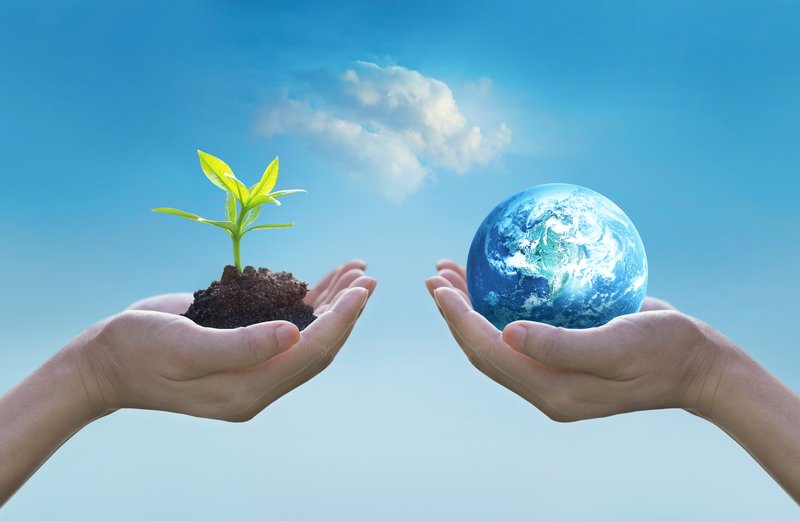
Imagine standing on a dusty street in Lahore, the air thick with smog from traffic and factories, while kids play nearby, unaware of the invisible threat hanging over them. I’ve been there—growing up in a bustling city like that, I remember coughing through winter mornings, wondering why the sky seemed perpetually hazy. It’s moments like these that hit home: the environment isn’t some distant concept; it’s the air we breathe, the water we drink, and the legacy we leave for those kids. This article dives deep into why protecting our planet is a duty we all share, blending personal insights with practical steps to build a brighter tomorrow. We’ll explore what it means to take responsibility, how small actions add up, and why our choices today shape the world for generations ahead.
Understanding Environmental Responsibility
Environmental responsibility isn’t just a buzzword—it’s about owning our impact on the planet and making conscious choices to minimize harm. Think of it as a pact we make with nature, ensuring we don’t deplete resources faster than they can replenish. From reducing waste in our homes to advocating for cleaner policies, it’s the foundation of a sustainable life.
What Is Environmental Responsibility?
At its core, environmental responsibility means acknowledging that our daily habits affect ecosystems, wildlife, and even human health. It’s about balancing needs like food and energy with the planet’s limits, preventing issues like deforestation or pollution. For instance, switching to reusable bags isn’t heroic—it’s practical stewardship.
Why Does It Matter for Our Shared Future?
Our actions today ripple into tomorrow—climate change doesn’t respect borders, and biodiversity loss threatens food chains we rely on. By embracing responsibility, we safeguard clean air and water for future generations, turning potential crises into opportunities for resilience. It’s not fear-mongering; it’s forward-thinking.
The Urgency of Climate Change and Environmental Threats
Picture this: a family vacation to the mountains, only to find glaciers shrinking year by year. I’ve felt that pang of loss firsthand, realizing how warming temperatures disrupt everything from weather patterns to agriculture. These threats aren’t abstract—they’re accelerating, demanding we act now to mitigate disasters like floods or droughts.
Key Environmental Challenges We Face
From plastic-choked oceans to air pollution choking cities, challenges abound. Deforestation strips away carbon sinks, while overfishing depletes marine life. Urban sprawl in places like Punjab exacerbates these, turning fertile lands into concrete jungles.
How Climate Change Affects Daily Life
Rising seas threaten coastal communities, and erratic weather ruins crops for farmers. In Pakistan, heatwaves have become brutal reminders, pushing us to adapt through better water management and green urban planning. It’s personal—our health, economy, and security hang in the balance.
Individual Actions: Small Steps for Big Impact
Remember the time I decided to ditch single-use plastics after seeing a littered park? It started with a reusable water bottle, and soon my family joined in. Individual responsibility feels empowering because it’s accessible—anyone can start today, turning habits into a force for good.
Simple Ways to Reduce Your Carbon Footprint
Start with energy audits at home: unplug devices, switch to LED bulbs. Walk or bike for short trips instead of driving—it’s healthier and cuts emissions. Composting kitchen scraps diverts waste from landfills, enriching soil naturally.
Everyday Habits for Sustainable Living
- Opt for public transport or carpooling to slash fuel use.
- Choose local, seasonal produce to minimize food miles.
- Repair items instead of replacing them, extending product lifecycles.
- Plant native trees in your yard—they support local wildlife and cool the air.
Collective Efforts: Governments, Businesses, and Communities
No one saves the planet alone—it’s a team effort. I’ve volunteered in community clean-ups where neighbors transformed trash-strewn riversides into green spaces, proving collaboration amplifies impact. When governments and businesses step up, real systemic change happens.
The Role of Governments in Environmental Protection
Policies like emission standards or protected areas set the framework. In Pakistan, initiatives like the Billion Tree Tsunami show how reforestation combats erosion and boosts biodiversity. Global agreements, such as the Paris Accord, unite nations for shared goals.
How Businesses Can Lead with Sustainability
Companies adopting green practices, like zero-waste manufacturing, set examples. Think of firms using renewable energy—it’s profitable and responsible. Corporate social responsibility programs fund conservation, blending profit with planetary care.
Pros and Cons of Corporate Sustainability Initiatives
Pros: Reduces operational costs through efficiency; enhances brand loyalty; attracts eco-conscious talent.
Cons: Initial investments can be high; greenwashing risks eroding trust; measuring true impact is complex.
Tools and Resources for Taking Action
Wondering where to start? Plenty of tools make it easier. I’ve used apps to track my waste, turning data into motivation. Whether you’re seeking guides or gadgets, these resources empower informed choices.
Best Tools for Monitoring Your Environmental Impact
Carbon footprint calculators like those from the EPA help quantify emissions. Apps such as Joule or Ecosia plant trees with searches. For home efficiency, smart thermostats like Nest optimize energy use intelligently.
Where to Find Reliable Environmental Information
- Visit UN Environment Programme sites for global reports.
- Check local NGOs in Punjab for region-specific advice.
- Explore WWF’s resources on biodiversity conservation.
Comparison of Sustainable Practices
| Practice | Benefits | Drawbacks | Best For |
|---|---|---|---|
| Recycling | Conserves resources, reduces landfill waste | Contamination issues, energy-intensive processing | Urban households with collection services |
| Composting | Enriches soil, cuts methane emissions | Requires space, can attract pests | Gardens or community programs |
| Renewable Energy | Lowers carbon footprint, long-term savings | High upfront costs, weather-dependent | Homes in sunny regions like Pakistan |
| Water Conservation | Preserves aquifers, lowers bills | Needs habit changes, initial fixtures | Drought-prone areas |
This table highlights how practices stack up, helping you choose based on your situation.
Success Stories and Real-World Examples
There’s hope in stories—like the time a small Lahore community rallied to clean the Ravi River, inspiring policy changes. These tales remind us progress is possible with persistence.
Inspiring Global Initiatives
Costa Rica’s reforestation reversed deforestation trends, boosting ecotourism. Bhutan’s carbon-negative status shows prioritizing environment over GDP works. These prove bold actions yield thriving economies.
Local Heroes Making a Difference
In Pakistan, activists like those in the Clean Green Pakistan movement educate on waste management. A farmer I know switched to drip irrigation, saving water while increasing yields—practical innovation at its best.
Challenges and How to Overcome Them
It’s not all smooth—apathy or economic barriers stall progress. But humor helps: ever tried going zero-waste and ended up with a fridge full of jars? Laugh it off and adjust.
Common Barriers to Environmental Action
Cost perceptions deter many, though long-term savings offset this. Lack of awareness in rural areas limits participation. Political inertia slows large-scale shifts.
Strategies for Building Resilience
Educate through schools and media to foster awareness. Advocate for subsidies on green tech. Community groups provide support, turning isolation into collective strength.
People Also Ask: Common Questions on Environmental Responsibility
Drawing from real Google searches, here are answers to frequent queries.
What Is the Difference Between Net Zero and Carbon Neutrality?
Net zero means balancing all greenhouse gas emissions with removals, often through offsets. Carbon neutrality focuses on CO2 specifically, achieving no net release. Both aim for sustainability, but net zero is broader.
What Are Simple Things You Can Do for the Environment?
Unplug electronics to save energy, carry reusable bags, and eat less meat. These easy shifts reduce waste and emissions without overhauling your life.
What Is Environmental Responsibility?
It’s the duty to protect natural resources through mindful actions, ensuring ecosystems thrive for future use. It spans personal habits to policy advocacy.
Why Is Sustainability Important for Future Generations?
It preserves resources like clean water and forests, preventing crises that could burden kids with scarcity or disasters. It’s about equity across time.
Optimizing for a Greener Tomorrow
Envision a world where cities like Lahore boast clear skies and lush parks—it’s achievable. By integrating tech like solar panels, we transition smoothly.
Best Tools for Sustainable Home Upgrades
Solar inverters from brands like Tesla store clean energy. Rainwater harvesting systems, available via local suppliers, conserve water effectively.
FAQ: Answering Your Burning Questions
What Are the Main Causes of Environmental Degradation?
Human activities like industrialization, deforestation, and overconsumption drive pollution and habitat loss. Urban expansion in places like Punjab accelerates soil erosion.
How Can I Get Involved in Local Environmental Efforts?
Join NGOs like WWF Pakistan or volunteer for clean-ups. Attend community meetings on sustainability—start small, like organizing a neighborhood tree-planting day.
What Are the Best Practices for Reducing Plastic Waste?
Switch to cloth bags, avoid bottled water, and support bans on single-use items. Recycling programs in cities help, but reduction is key.
Why Is Biodiversity Important for Our Future?
It maintains ecosystem balance, providing food, medicine, and climate regulation. Loss disrupts this, leading to vulnerabilities like crop failures.
How Do Governments Promote Environmental Responsibility?
Through laws like emission caps and incentives for renewables. In Pakistan, the Environmental Protection Act enforces standards, encouraging compliance.
In wrapping up, let’s circle back to that hazy Lahore street. If we each take a step—whether planting a tree or pushing for policy— we forge a future where kids breathe easy. It’s not about perfection; it’s about progress. Our shared responsibility isn’t a burden; it’s a privilege, one that connects us to each other and the planet. By acting now, we honor the past and gift hope to tomorrow. For more on global efforts, check the UN Environment Programme or local resources like Pakistan EPA. Together, we build resilience—one choice at a time.
Leave a Reply